The Ultimate Guide to Solo Ads (2026 Edition)
Solo ads are one of the fastest, simplest, and most misunderstood ways to build an email list and drive affiliate sales. This guide covers everything, what solo ads are, how they work, how to buy them without getting scammed, how to track results, and where to get verified buyer traffic in 2026. Whether this is your first click order or your hundredth, this is the only solo ads resource you need.
What Are Solo Ads? (Definition + How They Work)
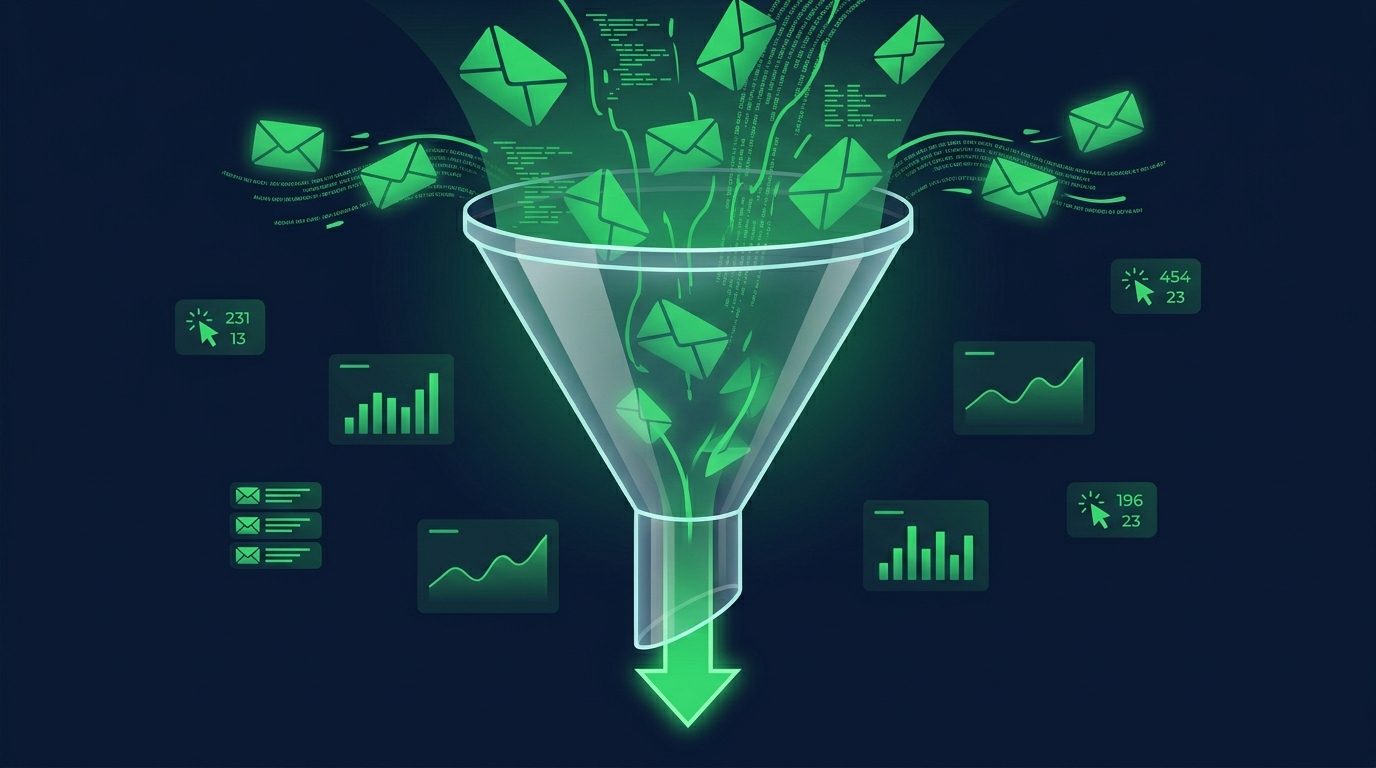
A solo ad is an email advertisement sent on your behalf by another marketer to their existing email list. You don't write the list, you don't own the list, you don't manage the inbox, you simply pay the list owner to email their subscribers a promotional message that links to your squeeze page or affiliate offer.
The transaction is priced per click, not per send. If you order "100 clicks" at $0.65 per click, the vendor commits to delivering 100 unique humans clicking through to your link, regardless of how many emails they have to send to get there. That makes solo ads one of the only paid traffic sources with guaranteed click volume baked into the contract.
Mechanically, the flow looks like this: you choose a vendor, give them your squeeze page URL and (optionally) suggested email copy, pay upfront, and they schedule a send to a relevant segment of their list. Clicks are tracked through a tracking link, filtered for bots and duplicates, and credited to your order until the guaranteed number is hit.
Solo ads work because email is still the highest-converting digital channel, and you're borrowing somebody else's hard-earned audience. Instead of spending six months building a list from scratch, you rent attention from a list that already exists in your niche. For a much deeper dive into the mechanics, read our complete beginner's guide to solo ads.
Who Uses Solo Ads and Why
Solo ads are the bread and butter of affiliate marketers, especially in the make-money-online (MMO) and business-opportunity spaces. They're also heavily used by info-product creators launching new courses, email list builders who monetize through autoresponder sequences, and network marketers building downlines.
The common thread is speed. Building an email list organically through SEO or social media takes months. Solo ads can put 500 targeted subscribers on your list this week. For anyone running a proven funnel with a known earnings-per-click, that speed is worth paying for, and for anyone without a proven funnel, solo ads are the fastest way to discover what works and what doesn't.
The other reason serious marketers use solo ads: most other paid channels (Facebook, Google, TikTok) actively ban biz-op and affiliate offers. Solo ads have no platform gatekeeper.
The Best Niches for Solo Ads in 2026
Solo ad lists were built over the last decade and a half by marketers in a small number of high-intent niches. That history determines what works today.
Make Money Online (MMO)
The largest solo ad niche by a wide margin. Subscribers on these lists are actively shopping for income solutions, which means affiliate offers like ClickBank front-ends, done-for-you funnels, and traffic products convert reliably.
Business Opportunity & Network Marketing
MLMs, downline-builder offers, and "system" products all perform well because solo ad audiences self-identify as opportunity seekers.
Email Marketing & List Building
Tools, templates, and courses related to autoresponders, copywriting, and list building convert strongly, you're literally selling email marketing to email marketers.
Crypto & Forex
Trading signals, prop-firm challenges, copy-trading platforms, and crypto front-ends have become one of the top three solo ad niches since 2022. Pay close attention to compliance, many vendors restrict these offers.
Health & Weight Loss
ClickBank weight-loss and supplement offers convert well on solo ad traffic if you use a properly segmented health-vertical vendor. Don't send a keto offer to a biz-op list, match the vendor's audience to your offer.
How to Buy Solo Ads Step by Step
Buying solo ads is straightforward once you know the workflow. Here's the exact 8-step process we recommend:
- Build your squeeze page first. A clean, fast, mobile-first opt-in page with a single field (email) and a punchy headline. No traffic until this exists.
- Set up your tracking link. Use a click tracker like PulseTrack or ClickMagick so you have an independent count of clicks, geo data, and conversions.
- Choose a platform. Use a marketplace with vendor ratings and buyer protection, see our recommendations below in the "Where to Buy" section.
- Filter by niche. Pick a vendor whose list segment matches your offer. A vendor with a biz-op list can't help you with a keto front-end, no matter how high their rating.
- Order a 100-click test. Never start with 500 or 1,000 clicks on a new vendor. A 100-click test is enough signal to judge quality without overcommitting budget.
- Submit your link and copy. Provide your tracking URL and, if the vendor allows custom swipe copy, your subject line and email body. Most pros let the vendor use their own swipe, they know what their list responds to.
- Wait for delivery. Most orders complete in 24–72 hours. Watch the clicks land in your tracker in real time.
- Measure, then decide. Look at opt-in rate, Tier 1 percentage, and any front-end sales. If the numbers work, reorder bigger. If they don't, try another vendor.
For a more detailed walkthrough with screenshots and copy templates, read our full how to buy solo ads guide.
How to Evaluate Solo Ad Vendor Quality
Picking the right vendor matters more than picking the right platform. A great platform can't save you from a bad vendor. Evaluate every vendor against five criteria:
1. Public Ratings and Sales Volume
Look for vendors with at least 100+ completed orders and a 4.5+ star average. Volume of reviews matters more than the headline number, a 5.0 across 8 orders means nothing.
2. Buyer Reviews with Specifics
Skim the most recent 20 reviews. Look for buyers reporting opt-in rate, Tier 1 percentage, and ideally sales. Vague "great seller, will buy again" reviews are useless.
3. Tier 1 Percentage
Most quality vendors guarantee 80%+ Tier 1 (US/UK/CA/AU/NZ). Anything under 70% is a red flag for affiliate offers priced in USD.
4. List Freshness
Vendors who add new subscribers monthly outperform vendors recycling the same 50,000 emails for three years. Ask how they source new leads, solo ad swaps, paid traffic, lead magnets.
Red Flags to Walk Away From
Run from: no ratings, refusal to share Tier 1 data, prices dramatically below market ($0.30 or less), "buyer-only" lists with no proof, and any vendor who guarantees sales (no honest vendor does, they sell clicks, not conversions).
What Is Tier 1 Traffic and Why It Matters
Tier 1 traffic refers to visitors from the five top English-speaking, high-purchasing-power countries: the United States, United Kingdom, Canada, Australia, and New Zealand. These countries form the backbone of digital commerce for one reason, buyers there have the income, the payment infrastructure, and the cultural willingness to click "buy now" on internet offers.
Tier 1 visitors convert at 3–5x the rate of mixed international traffic in the MMO and biz-op niches, and they're worth several times more in customer lifetime value. That's why every quality solo ad vendor reports Tier 1 percentage and why every honest platform filters non-T1 clicks down to a minimum.
How to verify Tier 1: use an independent click tracker that logs the country of every click. PulseTrack, ClickMagick, and ClickMeter all do this. After your order completes, compare the tracker's Tier 1 percentage against the vendor's promise. A consistent 5%+ gap between vendors is a strong reason to pick the honest one even at a higher CPC.
Solo Ads vs. Facebook Ads vs. Google Ads
No paid traffic channel is universally "best." Each is best at something different. Here's the honest comparison:
| Channel | CPC Range | Speed to Test | Affiliate Friendly | Best For |
|---|---|---|---|---|
| Solo Ads | $0.40–$0.95 | 24–72 hrs | Yes | List building, MMO offers |
| Facebook Ads | $0.80–$3.00+ | Hours | Hostile | Ecom, lead gen, brands |
| Google Ads | $1.50–$10+ | Hours | Restrictive | High-intent search |
The pattern is clear: solo ads are the cheapest and most permissive channel for affiliate-style offers, but they require email-based funnels to work. Facebook and Google offer better scale and targeting but punish anything that smells like biz-op. Most serious affiliates run solo ads for fast list growth and graduate to paid social once they have a buyer audience to retarget.
For a more granular breakdown, including ROAS benchmarks and creative requirements, read our solo ads vs. Facebook vs. Google comparison.
How to Track and Measure Solo Ad Performance
You cannot improve what you don't measure. Every solo ad order should be tracked against four core metrics:
- Opt-in rate, opt-ins divided by clicks. Aim for 30–50%. Below 25% means your squeeze page or traffic source is weak.
- CPC (cost per click), the rate you paid. Use this to benchmark across vendors.
- CPL (cost per lead), total spend divided by opt-ins. The metric that actually matters for list building.
- EPC (earnings per click), front-end revenue divided by clicks. If EPC > CPC, you have a profitable funnel.
The right tool makes this trivial. PulseTrack is built specifically for solo ad buyers, it tracks every click by vendor, geo, device, and time of day, and flags duplicates and bot clicks automatically. ClickMagick and ClickMeter are also solid general-purpose options.
The key rule: always use an independent tracker, not just the platform's built-in counter. A second opinion catches bot traffic, over-delivery games, and inflated Tier 1 reports. For a step-by-step tracking workflow, read our guide on how to track solo ads properly.
Common Solo Ad Mistakes (and How to Avoid Them)
Almost every solo ad buyer who quits in frustration made one of the same five mistakes. Don't be them.
Buying Before Testing the Funnel
The single most expensive mistake. If your squeeze page hasn't converted at least 30% on test traffic, do not order solo ads, you'll burn money diagnosing a problem that has nothing to do with the vendor.
No Dedicated Squeeze Page
Sending solo ad traffic to your homepage, sales page, or affiliate link directly is throwing money away. Solo ads exist to build your list. No squeeze page = no list = wasted spend.
No Independent Tracking
Trusting the vendor's click count is like letting your contractor measure their own work. Use PulseTrack or a similar tool from click one.
Picking the Cheapest Vendor
The vendor at $0.30/click is almost never a good deal. They get there by sending low-Tier 1, recycled, or bot-laden traffic. A $0.70 click that converts at 40% with 90% Tier 1 is dramatically cheaper per lead than a $0.30 click at 15% with 50% Tier 1.
Scaling a Test That Hasn't Converted
"Maybe 500 clicks will look different than 100." It won't. If your CPL is bad at 100 clicks, it'll be bad at 500. Fix the funnel or change vendors first.
Are Solo Ads Still Worth It in 2026?
Honest answer: yes, but only if you treat them as paid traffic, not as a magic button.
The marketers who claim solo ads are dead are the ones who never tracked properly, never tested their funnels, and bought the cheapest clicks they could find. They got burned, blamed the channel, and moved on. The marketers quietly making solo ads work in 2026 have tight funnels, clean tracking, and relationships with three or four vendors they trust.
The math hasn't changed in a decade. If your front-end converts at 40% opt-in and your first 30-day email sequence earns $1.20 per subscriber, and you're paying $0.70 per Tier 1 click, you are profitable on day one. Solo ads work exactly as well as your funnel does, no better, no worse.
What has changed is the quality bar. Platforms with click filtering and vendor accountability now exist, and there's no reason to buy from a Skype contact in 2026. The opportunity is still here, the bar is just higher. For the long-form honest take, read are solo ads still worth it in 2026.
Where to Buy Solo Ads (Our Recommendation)
After testing every major solo ad platform over the last several years, our recommendation for serious affiliate marketers in 2026 is PulseTraffic.app.
PulseTraffic was built specifically to solve the two biggest problems with legacy solo ad marketplaces: click quality and vendor accountability. Every vendor on the platform is vetted before they can sell, every click is filtered through built-in fraud protection, and every order ships with transparent Tier 1 reporting you can verify against your own tracker.
For buyers, this means: no more $400 orders where 30% of clicks are bots, no more vendors who vanish after a bad review, and no more guessing whether the Tier 1 number you were promised is real. The platform also offers buyer protection on every order, so a failed delivery means a real refund, not a Skype argument.
We're transparent about the relationship: SoloAdsGuide.com is run by Phil, who also founded PulseTraffic. That's not a conflict , it's the reason this guide exists. After enough years buying bad solo ad traffic on legacy platforms, we built the platform we wished existed.
Want Verified Traffic Without the Guesswork?
PulseTraffic screens every seller, filters bot clicks in real time, and shows you verified buyer traffic labels before you spend a dollar.
If you'd rather compare options first, read our full ranked comparison of the best solo ads providers in 2026.
Frequently Asked Questions
Ready to Buy Verified Solo Ad Traffic?
Stop guessing. Start buying traffic from vetted sources with built-in click fraud protection.
Visit PulseTraffic.app