

Yes, solo ads can wreck your sender reputation if you send cold traffic from your primary sending identity. With the right setup, you can buy solo ads without touching your core deliverability at all. The risk isn't in the traffic itself. It's in where you send it and how you handle the aftermath.
Before you buy your next click package, do three things. First, set up a separate sending subdomain so cold traffic never touches your main domain's reputation. Second, own the opt-in page yourself instead of pointing solo ad clicks straight at an affiliate link. Third, run a small test with unique tracking links before committing real budget to any seller.
Pro Tip: Never let a seller's opt-in numbers be the only data point you trust. Track your own clicks, opt-ins, and replies independently so you know what actually happened.
- Use a dedicated subdomain, not your main sending domain
- Capture leads on your own squeeze page, never a bare affiliate redirect
- Test small (100 clicks), then scale only after the numbers hold up
That's the short version. The longer version, including the 21-question vendor vetting framework, covers exactly how to warm up a new sending identity and what red flags mean you should walk away from a seller entirely.
Key Takeaways
Sender reputation survives solo ad buying only when cold traffic is sent through a separate, authenticated subdomain and every seller is vetted and tracked independently before scaling spend.
| Point | Details |
|---|---|
| Separate your sending identity | Use a dedicated subdomain for solo ad traffic so a bad seller never touches transactional email. |
| Own the opt-in page | Never send clicks straight to an affiliate link; capture leads where you control message match. |
| Test before you scale | Buy 100 clicks first, track sales per 100 clicks, and require two consistent passes before increasing spend. |
| Watch the complaint threshold | Stay under a 0.1% complaint rate; treat anything above 0.2% as a stop signal. |
| Vet sellers systematically | Apply Soloadsguide's 21-question framework and unique tracking links before trusting any seller's reported numbers. |
Table of Contents
- What Solo Ads Are and How the Sender Reputation Risk Starts
- How Solo Ads Actually Damage Sender Reputation
- Buyer-First Protection: Vetting, Tracking, and Sending Setup
- Testing and Scaling: The Metrics That Decide Whether to Reorder
- Recovering From Sender Reputation Damage
- Why Vetting Beats Trusting in the Solo Ad Market
- The Buyer-First Take on Solo Ad Sender Reputation Risk
- Get the Vetting Checklist Before Your Next Solo Ad Buy
- Sources
What Solo Ads Are and How the Sender Reputation Risk Starts
A solo ad is a single promotional email that a list owner sends to their subscribers on your behalf, pointing to an offer you choose. You pay per click, typically a fixed price per visitor the seller's list generates, regardless of what that visitor does after landing on your page. That pricing model matters because it shapes seller incentives. Sellers get paid whether or not your offer converts, which means volume and speed benefit them more than relevance benefits you.
The mechanics are simple on paper. The seller writes or reuses a subject line and email body around your offer, sends it to their list, and readers click through to your landing page. From there, your own funnel takes over: an opt-in form captures the lead, your autoresponder sends follow-up messages, and eventually you present an offer for sale. The solo ad only handles the first step, and using sales rep email templates for your autoresponder can improve follow-up replies. Everything after the click is yours to control, for better or worse.
Solo ad sellers range widely in quality. Some run tightly built lists in a specific niche, segmented by engagement and interest, sending a handful of promotions a week. Others run "traffic mills," blasting the same list dozens of times a month to anyone who will pay, with little regard for whether subscribers still want to hear from them. List quality varies enormously, and a seller's price per click tells you almost nothing about which category they fall into.
This is where owning your landing page becomes a deliverability issue, not just a marketing preference. When you send solo ad traffic to a page you control, you can:
- Track exactly how many clicks actually reach your funnel, versus what the seller reports.
- Capture the lead's email address into your own list, rather than losing that contact entirely.
- Control the message the visitor sees, so it matches what the solo ad promised.
- Apply your own tagging so you know which seller sent which subscriber.
That fourth point connects directly to a rule too many buyers skip: message match. The promise made in the solo ad email has to align with what the squeeze page says, which has to align with what the lead magnet actually delivers. When those three pieces don't match, the person who opted in feels tricked. They mark your email as spam instead of unsubscribing, and spam complaints are the single biggest input mailbox providers use to judge whether you're trustworthy. Sender reputation for network marketing solo ads depends less on how many people opt in and more on whether those people stay engaged afterward. A rented list opt-in isn't a relationship. It's a first impression, and first impressions built on a bait-and-switch don't survive the follow-up sequence.
How Solo Ads Actually Damage Sender Reputation
Mailbox providers like Gmail and Outlook track two overlapping reputation scores: one tied to your sending domain, one tied to your sending IP address. Sender reputation is a trust score built from engagement behavior, bounce rates, and authentication signals, and providers weigh domain reputation more heavily than IP reputation for long-term deliverability. IPs can be rotated or shared. Your domain follows you everywhere you send from it, which is exactly why solo ad traffic sent from your core domain is so risky.
Mailbox providers watch a handful of signals closely:
- Spam complaint rate: how often recipients click "report spam" instead of unsubscribing.
- Bounce rate: how many addresses on the list are dead, mistyped, or fake.
- Open and click rates: whether recipients actually engage with what you send.
- Unsubscribe patterns: sudden spikes signal a mismatch between expectation and delivery.
- Sending volume consistency: a sudden jump from a trickle of emails to thousands overnight looks like spam behavior even when it isn't.
Solo ads introduce specific triggers you won't encounter with organically built lists. Incentivized or bot-driven clicks inflate opt-in numbers without producing real engagement, which tanks your open and click rates once the follow-up sequence starts. Scraped or recycled lists generate high bounce rates because a chunk of those addresses are stale or invalid. A sudden volume spike, going from near-zero sends to a full campaign blast the same week you buy traffic, reads as anomalous behavior to a mailbox provider's filtering algorithm. Missing or misconfigured authentication (no SPF, DKIM, or DMARC record properly aligned) compounds all of it, because providers have no way to confirm the mail is legitimately yours.
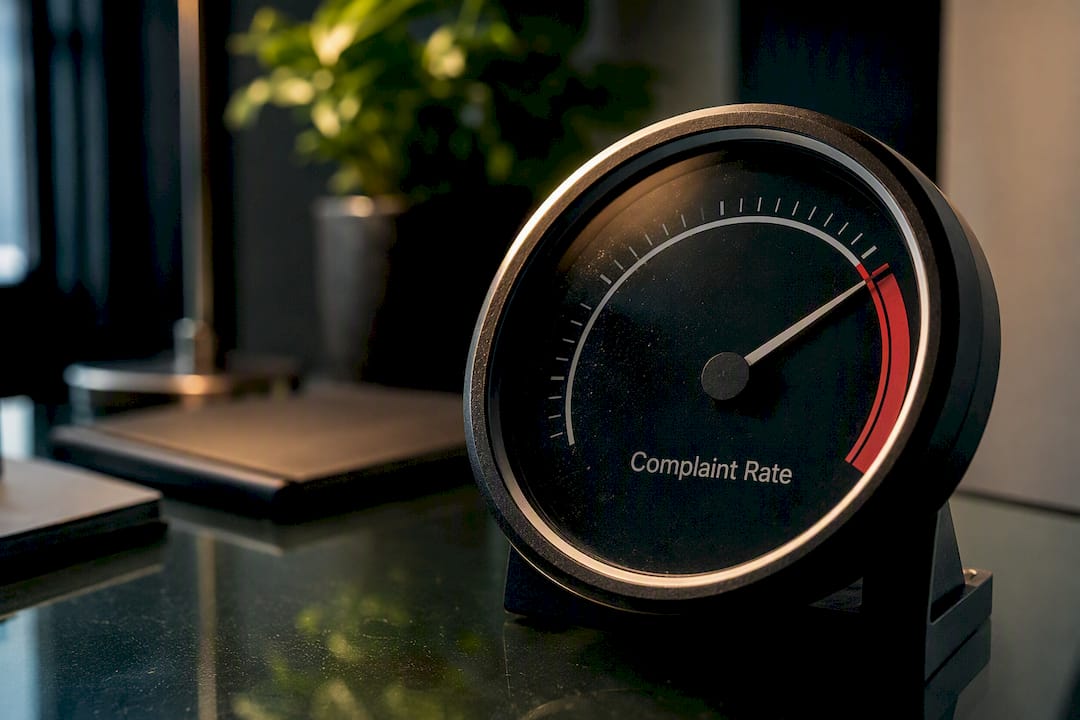
Complaint rates above roughly 0.2% are considered a red flag by most mailbox providers, while rates near 0.1% are treated as the general benchmark for acceptable sending. Cross that threshold repeatedly and you'll see your emails routed to spam folders, even for recipients who genuinely want to hear from you. The damage isn't limited to the campaign that caused it. Once a domain's reputation drops, every email sent from that domain, including transactional and customer service messages, inherits the penalty.
Buyer-First Protection: Vetting, Tracking, and Sending Setup
Protecting your reputation starts before you spend a dollar, not after you see the results. The 21-question vendor vetting framework exists because sellers who won't answer basic questions almost always have something to hide. A handful of those questions matter more than the rest:
- Will you provide unique tracking links for my campaign? A seller who resists this is a seller who doesn't want you to see the real numbers.
- What's your average complaint rate across recent campaigns? Sellers who mail responsibly usually know this number off the top of their head.
- How often do you mail this list, and how many other offers went out this week? A list mailed daily by five different buyers has little attention left for you.
- Where did your subscribers originate? Paid ad opt-ins, co-registration, and organic content each produce very different engagement profiles.
- What happens if the traffic doesn't perform? A seller with no refund or replacement policy for obviously fraudulent clicks is a seller betting you won't check.
Vetting answers those questions on paper. Tracking verifies them in practice. Every seller gets their own unique tracking link, tagged so you can isolate their traffic in your analytics regardless of what other campaigns are running. UTM parameters let you separate opt-in rate, time-on-page, and conversion rate by source, and tracking your own click data is the only reliable way to catch a seller sending bot traffic or recycled clicks, because bot traffic tends to show near-instant bounces, no scroll depth, and suspiciously uniform timestamps.
The technical setup matters just as much as the tracking. Send solo ad traffic through a dedicated subdomain built specifically for promotional campaigns, separate from the domain you use for transactional or customer communication. Separating marketing and transactional sending streams with something like promo.yourbrand.com versus mail.yourbrand.com means a reputation hit from a bad solo ad buy never touches your receipts, password resets, or customer support threads. Configure SPF, DKIM, and DMARC properly on that subdomain before you send a single email, and if you're planning to scale volume, warm up that subdomain gradually rather than blasting your full list size on day one. Include a functioning List-Unsubscribe header so recipients who want out can leave cleanly instead of hitting the spam button out of frustration.
Two operational rules tie it together. Always send solo ad clicks to a squeeze page you control, never straight to an affiliate offer, so you capture the lead and preserve message match between what the email promised and what the page delivers. And before you pay for a full campaign, ask the seller for sample emails and recent delivery proof. A seller confident in their list will hand these over without hesitation.
Pro Tip: Ask a solo ad seller for their most recent complaint rate by name. Vague answers like "pretty low" or "way under industry average" are a bigger red flag than an honest number that's slightly higher than you'd like.
Testing and Scaling: The Metrics That Decide Whether to Reorder
Buy 100 clicks first. Not 500, not "their minimum package," just enough to generate a readable sample. Starting with a small test batch before committing real budget is standard advice across the solo ad space for a reason: it's cheap insurance against a seller who looks great on paper and performs terribly in practice.
Track these numbers from every test run:
- Opt-in rate: percentage of clicks that convert to email subscribers on your squeeze page.
- Complaint rate: stay under 0.1% as your target; treat anything above 0.2% as a stop signal.
- Open and click rates on your follow-up sequence, benchmarked against your existing list's performance.
- Earnings per click (EPC) and sales per 100 clicks, the number that actually tells you if the traffic was worth the price.
- Reply rate, if your follow-up sequence invites responses, a strong early signal of real human engagement versus bot clicks.
Once you have that data, apply a simple scaling rule: only increase spend with a seller who passes the test more than once. A single good run could be luck, a seasonal spike in the seller's list, or a batch of purchased traffic they mixed in to impress a new buyer. Order a second small batch before committing to volume.
- Run the initial 100-click test and log every metric above.
- If results clear your thresholds, order a second test of similar size on a different day of the week.
- Only after two consistent passes should you scale spend, and even then, pace sends and throttle daily volume rather than dumping your full budget into one blast.
Keep a simple vendor log, seller name, date, cost per click, opt-in rate, complaint rate, and sales per 100 clicks, so comparisons across sellers are based on your own numbers, not their marketing claims.
Recovering From Sender Reputation Damage
If your numbers already look bad, complaint rates climbing, opens cratering, deliverability tanking, act on the damage immediately rather than waiting to see if it self-corrects.
Start with these steps in order:
- Pause all promotional sending from the affected domain or subdomain right away.
- Suppress unengaged contacts: anyone who hasn't opened or clicked in 60 to 90 days should stop receiving mail until reputation recovers.
- Audit your authentication: confirm SPF, DKIM, and DMARC are correctly configured and aligned, since a broken record can masquerade as a reputation problem.
- Check major blocklists and, if you're listed, follow each operator's documented removal process, keeping records of when the offending campaign stopped and what changes you made.
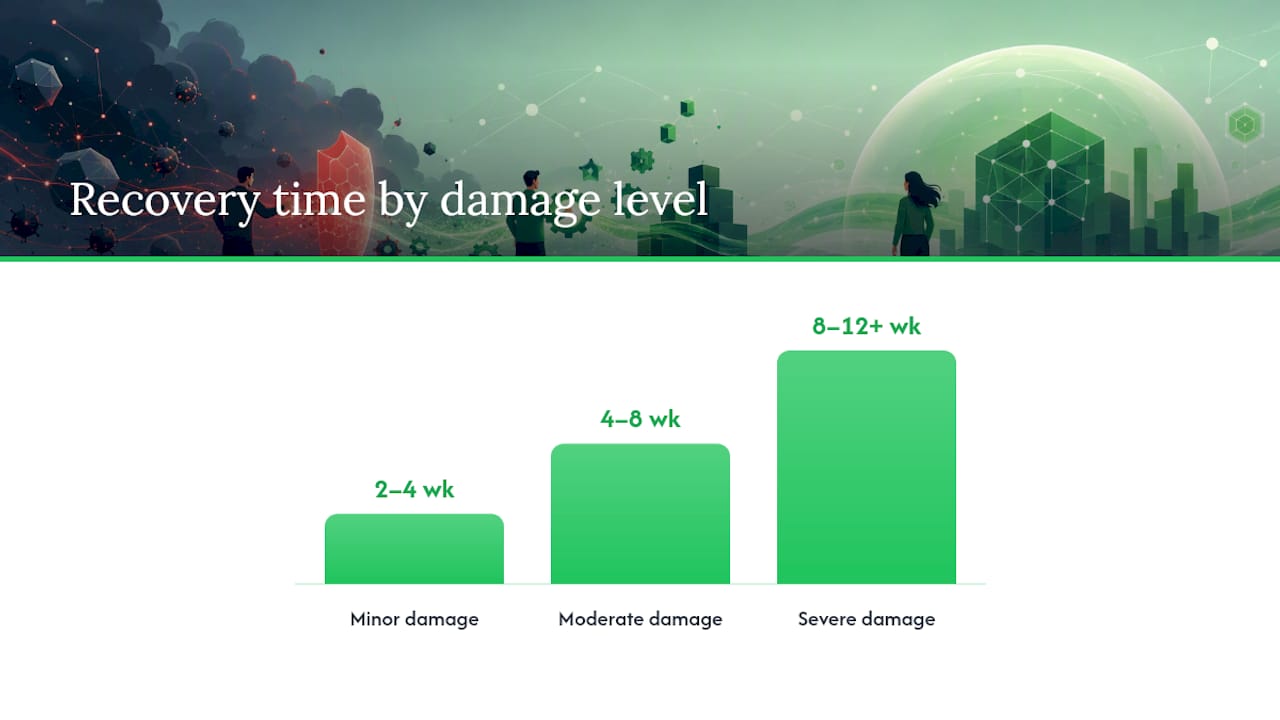
Decide early whether to rebuild on the same domain or start fresh on a new subdomain. Minor issues, a single bad seller, a short complaint spike, usually respond to suppression and a slow, deliberate warm-up over 2 to 4 weeks. Moderate damage, sustained complaints across multiple campaigns, typically needs 4 to 8 weeks of reduced volume and engagement rebuilding before you approach previous sending levels. Severe damage, active blocklisting or a domain-wide reputation collapse, can take 8 to 12 weeks or longer, and in some cases a fresh subdomain with a proper warm-up schedule is faster than trying to repair the old one. Complaint rates near 0.1% mark the recovery target you're rebuilding toward, not just the number you were trying to avoid crossing in the first place.
Why Vetting Beats Trusting in the Solo Ad Market
Philip Coble has spent 11 years on the vendor side of the solo ads industry, which is exactly why Soloadsguide takes a skeptical stance toward seller claims by default. The 21-question vetting framework wasn't built from theory. It came from watching which questions sellers dodge and which answers turn out to be worth something once you check them against real tracking data.
Owning your opt-in page and tagging every seller's traffic separately isn't extra work for its own sake. It's the only way to generate performance signals you can actually trust, instead of relying on a seller's self-reported opt-in count.
The most common scam in this industry isn't a fake list. It's a real list mailed so often that engagement has collapsed, dressed up with opt-in numbers that look fine until you check whether anyone still opens the email.
Verification catches that pattern every time. Trust alone never does.
The Buyer-First Take on Solo Ad Sender Reputation Risk
Most solo ad advice treats sender reputation as an afterthought, something you worry about if a campaign goes sideways. That's backwards. Reputation protection is the setup, not the cleanup.
The conventional wisdom to "just find a good seller" misses the actual lesson: even a genuinely good seller's traffic is still cold traffic, and cold traffic sent from your core sending identity carries risk regardless of list quality. The seller isn't the only variable. Your architecture is the other half of the equation, and it's the half entirely within your control.
If you take one thing from the research behind this article, prioritize the subdomain and tracking setup before you prioritize finding the "best" seller. A mediocre seller sent through a properly isolated, warmed-up subdomain does less damage than a great seller's traffic dumped straight into your primary sending domain. Vet sellers hard, but build your sending infrastructure like you expect at least some of them to disappoint you. Because some of them will.
— Philip Coble
Get the Vetting Checklist Before Your Next Solo Ad Buy
Everything in this article traces back to one habit: verify before you trust. Soloadsguide built the 21-question vendor vetting framework specifically so buyers can check a seller's claims against real evidence instead of a sales page, and the tracking and warm-up guides on the site walk through the exact technical setup covered here, subdomain configuration, authentication records, and staged send schedules.

If you're about to buy your first solo ad package or you're troubleshooting a seller who isn't performing, start with the checklist, then run a 100-click test using your own tracking links before you commit further budget. Head to Soloadsguide to download the vetting framework and follow the warm-up sequence step by step before your next campaign goes out.
Sources
- Email sender reputation: Guide to deliverability, and recovery
- Solo Ads for Network Marketing: How to Buy Traffic Without Getting Burned - Work With David Wood
- Udimi Solo Ads: 12 Awesome Ways to Win in 2026
- Solo Ads Affiliate Marketing: Complete Buying & Converting | Post Affiliate Pro
Recommended
- How to Avoid Solo Ad Scams: 2026 Buyer's Guide
- Buy Solo Ads Traffic Without Getting Burned (2026 Buyer's Guide)
- The Solo Ads Guide for Affiliate Marketers
- Are Solo Ads Worth It for Affiliate Marketers in 2026?
Want Verified Traffic Without the Guesswork?
PulseTraffic screens every seller, filters bot clicks in real time, and shows you verified buyer traffic labels before you spend a dollar.